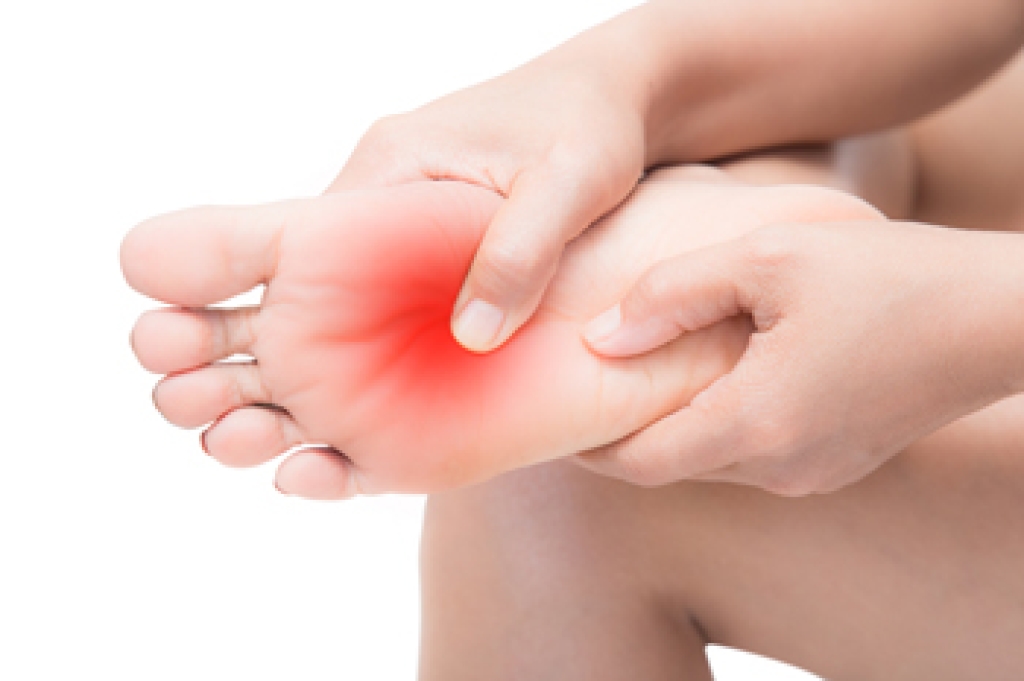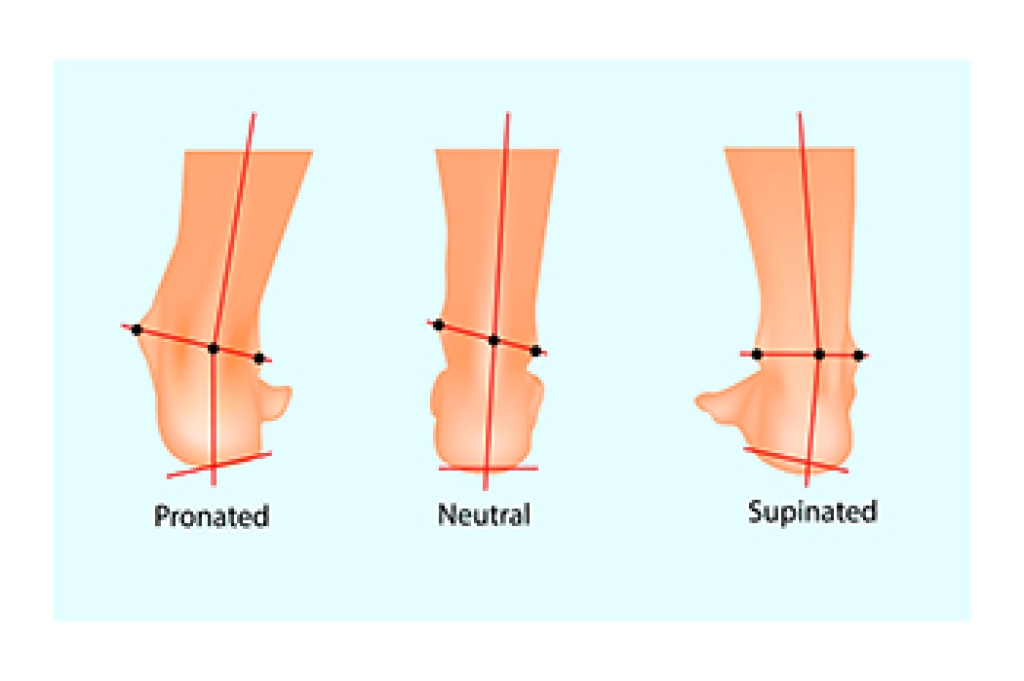
Pronation and supination describe the direction the foot rolls while walking or running. Pronation occurs when the foot rolls inward and weight shifts toward the inside of the foot. Supination occurs when the foot rolls outward and weight shifts toward the outside. A small amount of each motion is part of a normal step. Pronation helps the foot absorb shock after the heel reaches the ground. Supination makes the foot firmer as it pushes the body forward. When either motion becomes excessive, pressure can build in certain areas and affect the way a person moves.
These movement patterns can affect more than the feet. Overpronation can place added strain on the arches, heels, and ankles. It can also contribute to discomfort in the knees. Excess supination reduces the foot’s ability to absorb shock and can increase pressure on the outer edge. This can lead to ankle instability, heel pain, or pain in the ball of the foot. Uneven wear on the inner or outer edges of shoe soles can provide a clue. High arches, flat feet, and differences in leg length can influence foot movement. Injuries and repeated stress can also change a person’s gait.
A podiatrist can examine the feet and study how a patient stands and walks. This gait evaluation shows where pressure builds and whether the ankles or knees move out of alignment. The podiatrist can also check joint motion, muscle strength, and shoe-wear patterns. Imaging tests can identify an injury when the examination raises concern. Treatment focuses on improving balance and reducing harmful pressure. A podiatrist can recommend properly fitted shoes with suitable cushioning or stability. Custom orthotics can guide the feet into a better position and distribute weight more evenly. Follow-up visits allow the podiatrist to track changes and adjust treatment. If you have foot or ankle pain while walking or running, it is suggested that you schedule an appointment with a podiatrist for a diagnosis and appropriate treatment.
If you have any concerns about your feet, contact Michael Schwartzman, DPM from Illinois and Indiana . Our doctor can provide the care you need to keep you pain-free and on your feet.
Biomechanics in Podiatry
Podiatric biomechanics is a particular sector of specialty podiatry with licensed practitioners who are trained to diagnose and treat conditions affecting the foot, ankle and lower leg. Biomechanics deals with the forces that act against the body, causing an interference with the biological structures. It focuses on the movement of the ankle, the foot and the forces that interact with them.
A History of Biomechanics
- Biomechanics dates back to the BC era in Egypt where evidence of professional foot care has been recorded.
- In 1974, biomechanics gained a higher profile from the studies of Merton Root, who claimed that by changing or controlling the forces between the ankle and the foot, corrections or conditions could be implemented to gain strength and coordination in the area.
Modern technological improvements are based on past theories and therapeutic processes that provide a better understanding of podiatric concepts for biomechanics. Computers can provide accurate information about the forces and patterns of the feet and lower legs.
Understanding biomechanics of the feet can help improve and eliminate pain, stopping further stress to the foot.
If you have any questions please feel free to contact our office located in Whiting, IN . We offer the newest diagnostic and treatment technologies for all your foot and ankle needs.