
Suffering from this type of pain? You may have the foot condition known as Morton's neuroma. Morton's neuroma may develop as a result of ill-fitting footwear and existing foot deformities. We can help.
Suffering from this type of pain? You may have the foot condition known as Morton's neuroma. Morton's neuroma may develop as a result of ill-fitting footwear and existing foot deformities. We can help.
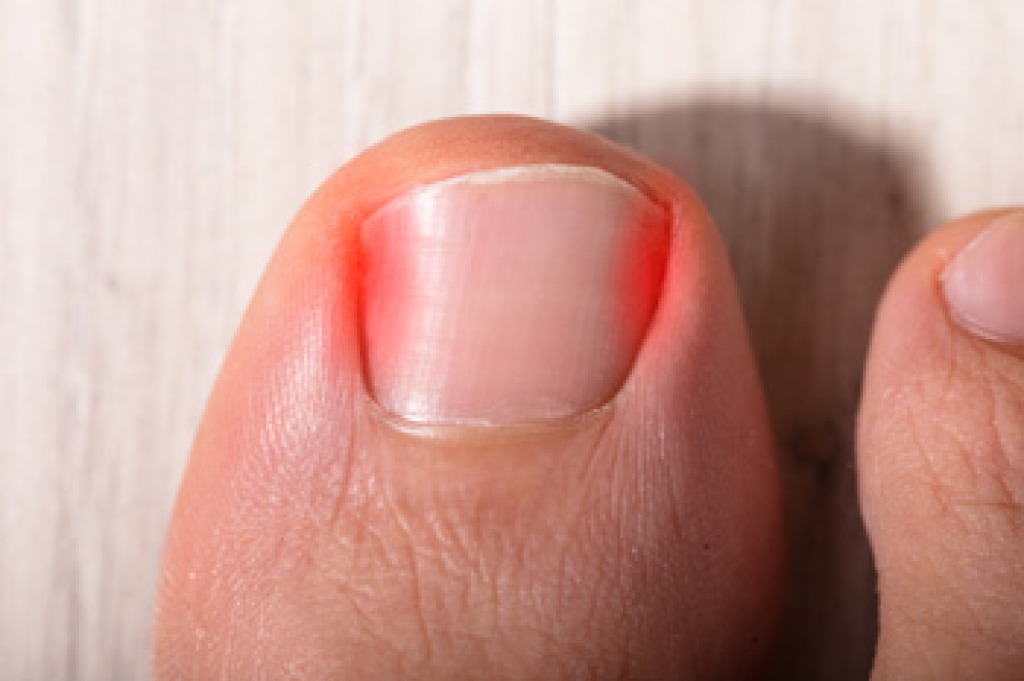
An ingrown toenail occurs when the edge or corner of a toenail grows into the surrounding skin. The big toe is affected most often. This problem can cause tenderness, redness, and pain along the nail edge. Some people notice drainage or increased warmth when the area becomes infected. Ingrown toenails can make walking and wearing shoes uncomfortable. Getting care early may help prevent the problem from becoming more serious.
Several factors can contribute to an ingrown toenail. Cutting nails too short or rounding the corners can encourage the nail to grow into the skin. Wearing tight shoes can also place pressure on the nail. Structural conditions may increase the risk when the toe is curved, or the nail is unusually thick. Additionally, biomechanical problems can also change how pressure moves across the foot while walking. Repeated pressure from sports or activities may make symptoms worse.
Prevention starts with simple foot care. Trim toenails straight across and avoid cutting deeply into the corners. Choose shoes with enough room for your toes to move comfortably. Keep the feet clean and dry, especially after exercise. Check your toes regularly for redness, swelling, or tenderness. If an ingrown toenail keeps returning, a podiatrist can look for structural or biomechanical causes. Treatment may include gently lifting the nail, removing the affected nail edge, or using medication when infection is present.
A podiatrist will examine the nail and surrounding skin before recommending treatment. If infection or significant inflammation is present, appropriate care may be provided to control it. For recurring problems, the podiatrist may remove part of the nail and address the portion that repeatedly grows into the skin. Proper wound care and follow-up supports healing. If you have an ingrown toenail, it is suggested that you consult a podiatrist for effective relief tips, which may include minor surgery.
Ingrown toenails can become painful if they are not treated properly. For more information about ingrown toenails, contact Michael Schwartzman, DPM of Illinois and Indiana . Our doctor can provide the care you need to keep you pain-free and on your feet.
Ingrown Toenails
Ingrown toenails occur when a toenail grows sideways into the bed of the nail, causing pain, swelling, and possibly infection.
Causes
Prevention
Wearing proper fitting shoes and using proper cutting techniques will also help decrease your risk of developing ingrown toenails.
Treatment
Ingrown toenails are a very treatable foot condition. In minor cases, soaking the affected area in salt or antibacterial soaps will not only help with the ingrown nail itself, but also help prevent any infections from occurring. In more severe cases, surgery is an option. In either case, speaking to your podiatrist about this condition will help you get a better understanding of specific treatment options that are right for you.
If you have any questions, please feel free to contact our office located in Whiting, IN . We offer the newest diagnostic and treatment technologies for all your foot care needs.

Foot stretches can help runners prepare their feet and ankles for activity. They may improve flexibility, mobility, and awareness when performed regularly. Options include toe stretches, ankle mobility exercises, and toe scrunches. These movements can be useful before or after running, depending on comfort and training needs. They may help reduce stiffness and support efficient movement, but they cannot prevent every running injury.
A toe stretch gently lengthens the tissues around the toes. Sit and use your hand to move the toes backward until you feel a mild stretch. Hold briefly without forcing the movement. This exercise may improve toe flexibility and help runners maintain comfortable foot motion. An ankle mobility exercise can involve slowly moving the ankle through controlled circles. Move in both directions with careful control while keeping the lower leg relaxed. This can support ankle mobility and reduce stiffness.
Toe scrunches strengthen the small muscles that help support the foot. Sit with your foot flat and use your toes to gently gather a towel toward you. Relax and repeat several times. This exercise may improve foot strength and control, which can help runners manage impact. Risk factors for running injuries include sudden mileage increases, and training on challenging surfaces. Poor flexibility or limited ankle mobility may also affect movement.
A podiatrist can evaluate your feet and ankles when pain, swelling, or injuries develop. The examination may include checking strength, flexibility, and tender areas. Imaging tests may be recommended when a stress fracture or other injury is suspected. Treatment also can include activity changes, wearing supportive footwear, or custom orthotics. Stretching should never cause sharp pain. If you have developed foot and ankle injuries from running, it is suggested that you consult a podiatrist for effective relief and treatment solutions, which may include additional foot and ankle stretches.
All runners should take extra precaution when trying to avoid injury. If you have any concerns about your feet, contact Michael Schwartzman, DPM of Illinois and Indiana . Our doctor will treat your foot and ankle needs.
How to Prevent Running Injuries
There are a lot of mistakes a runner can make prior to a workout that can induce injury. A lot of athletes tend to overstretch before running, instead of saving those workouts for a post-run routine. Deep lunges and hand-to-toe hamstring pulls should be performed after a workout instead of during a warmup. Another common mistake is jumping into an intense routine before your body is physically prepared for it. You should try to ease your way into long-distance running instead of forcing yourself to rush into it.
More Tips for Preventing Injury
If you have any questions, please feel free to contact our office located in Whiting, IN . We offer the newest diagnostic and treatment technologies for all your foot care needs.

Tarsal tunnel syndrome develops when the tibial nerve becomes compressed near the inside of the ankle. This nerve travels through a narrow space called the tarsal tunnel before continuing into the foot. Pressure in this area can cause pain, burning, or tingling along the sole of the foot. Some patients also experience numbness. Symptoms can become more noticeable with standing or activity. An ankle injury, a cyst, or changes in foot structure can increase pressure around the nerve. Identifying where symptoms occur can help determine whether nerve compression is involved.
A podiatrist can evaluate tarsal tunnel syndrome by examining the foot and ankle and asking about the pattern of symptoms. One examination method involves gently tapping over the tibial nerve near the inner ankle. Tingling or an electric sensation that travels into the foot can suggest irritation of the nerve. The podiatrist can assess ankle movement, foot structure, and the way a patient walks. This evaluation is important because other problems can also cause pain or numbness in the foot. Understanding the source of the symptoms helps guide an appropriate treatment plan.
Podiatric care can focus on mechanical factors that place added stress around the ankle and foot. A podiatrist can address restricted joint movement and evaluate how the lower leg affects foot mechanics. Treatment can include gentle joint mobilization, guided stretching, and strengthening exercises based on examination findings. A podiatrist can also assess movement patterns that could increase pressure around the tarsal tunnel. Persistent numbness or worsening weakness deserves careful evaluation because ongoing nerve compression can affect foot function. If you have symptoms of tarsal tunnel syndrome, it is suggested that you schedule an appointment with a podiatrist for a diagnosis and appropriate treatment.
Tarsal tunnel syndrome can be very uncomfortable to live with. If you are experiencing tarsal tunnel syndrome, contact Michael Schwartzman, DPM of Illinois and Indiana . Our doctor can provide the care you need to keep you pain-free and on your feet.
Tarsal Tunnel Syndrome
Tarsal tunnel syndrome, which can also be called tibial nerve dysfunction, is an uncommon condition of misfiring peripheral nerves in the foot. The tibial nerve is the peripheral nerve in the leg responsible for sensation and movement of the foot and calf muscles. In tarsal tunnel syndrome, the tibial nerve is damaged, causing problems with movement and feeling in the foot of the affected leg.
Common Cause of Tarsal Tunnel Syndrome
The Effects of Tarsal Tunnel Syndrome
A physical exam of the leg can help identify the presence of tarsal tunnel syndrome. Medical tests, such as a nerve biopsy, are also used to diagnose the condition. Patients may receive physical therapy and prescriptive medication. In extreme cases, some may require surgery.
If you have any questions please contact our office located in Whiting, IN . We offer the newest diagnostic and treatment technologies for all your foot and ankle needs.

Sever’s disease causes heel pain in growing children, especially those who run or jump in sports. Despite its name, it is not an illness or disease. It is irritation and swelling at the growth plate in the heel bone. A growth plate is developing tissue where a child’s bone grows. During a growth spurt, the heel bone can grow faster than nearby muscles and tendons. The Achilles tendon then pulls tightly against the growth plate. Repeated activity can make the area sore. The problem usually develops between ages nine and 14, and does not cause lasting damage after the growth plate matures.
A child with Sever’s disease can feel pain or tenderness in one or both heels. The heel can also become swollen, red, or stiff after waking. Some children limp or walk on their toes to avoid pressure. A podiatrist asks about the child’s sports, growth, and symptoms. The podiatrist also examines the foot and gently presses the sides of the heel. X-rays do not show Sever’s disease, but the podiatrist can order them to rule out a fracture or another cause of pain.
Treatment aims to reduce strain on the growth plate and help the heel recover. A podiatrist can recommend changes to activities based on the child’s pain. This foot doctor can also check whether the child’s shoes fit correctly and provide enough cushioning and support. Heel cups or custom shoe inserts can reduce pressure and improve foot position. For severe pain, the podiatrist can prescribe a walking boot or a short cast to limit heel movement. Children should return to sports only when activity no longer causes pain. Sever’s disease usually clears as the heel finishes growing. If your active child complains of heel pain, it is suggested that you schedule an appointment with a podiatrist who can accurately diagnose and offer relief tips for Sever’s disease.
Sever's disease often occurs in children and teens. If your child is experiencing foot or ankle pain, see Michael Schwartzman, DPM from Illinois and Indiana . Our doctor can treat your child’s foot and ankle needs.
Sever’s Disease
Sever’s disease is also known as calcaneal apophysitis, which is a medical condition that causes heel pain I none or both feet. The disease is known to affect children between the ages of 8 and 14.
Sever’s disease occurs when part of the child’s heel known as the growth plate (calcaneal epiphysis) is attached to the Achilles tendon. This area can suffer injury when the muscles and tendons of the growing foot do not keep pace with bone growth. Therefore, the constant pain which one experiences at the back of the heel will make the child unable to put any weight on the heel. The child is then forced to walk on their toes.
Symptoms
Acute pain – Pain associated with Sever’s disease is usually felt in the heel when the child engages in physical activity such as walking, jumping and or running.
Highly active – Children who are very active are among the most susceptible in experiencing Sever’s disease, because of the stress and tension placed on their feet.
If you have any questions, please feel free to contact our office located in Whiting, IN . We offer the newest diagnostic and treatment technologies for all your foot care needs.
Connect With Us
